-

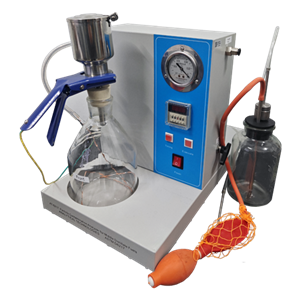
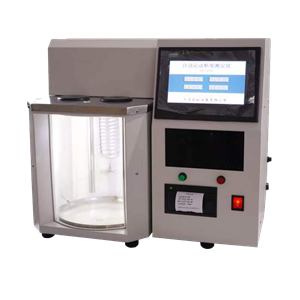
ASTM D6217 Apparatus for Particulate Contamination in Middle Distillate Fuels
KN-6217 Apparatus for Particulate Contamination in Middle Distillate Fuels conforms to ASTM D6217 Standard Test Method for Particulate Contamination in Middle Distillate Fuels by Laboratory Filtration. The mass of particulates present in a fuel is a significant factor, along with the size and nature of the individual particles, in the rapidity with which fuel system filters and other small orifices in fuel systems can become plugged. This test method provides a means of assessing the mass of particulates present in a fuel sample.
Send Email Details -
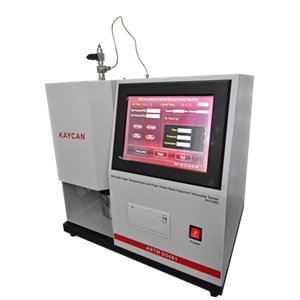
ASTM D5452 Particulate Contamination in Aviation Fuels by Laboratory Filtration
KN-5452 Apparatus for Particulate Contamination in Aviation Fuels conforms to ASTM D5452 Standard Test Method for Particulate Contamination in Aviation Fuels by Laboratory Filtration. This test method provides a gravimetric measurement of the particulate matter present in a sample of aviation turbine fuels delivered to a laboratory for evaluation. The objective is to minimize these contaminants to avoid filter plugging and other operational problems. Although tolerable levels of particulate contaminants have not yet been established for all points in fuel distribution systems, the total contaminant measurement is normally of most interest.
Send Email Details -
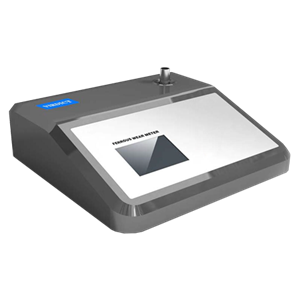
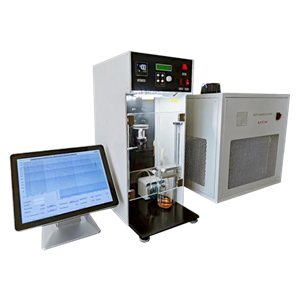
ASTM D8120 Ferrous Wear Meter
KN-8120 Ferrous Wear Meter conforms to ASTM D8120 Standard Test Method for Ferrous Debris Quantification. By quantifying the concentration of total ferrous debris, this test method provides a direct indication of war in the machinery by enabling the user to pinpoint when there is a deviation from the normal buildup of ferrous debris shed by the machinery or when the concentration of ferrous debris has exceeded safe operating limits.
Send Email Details -
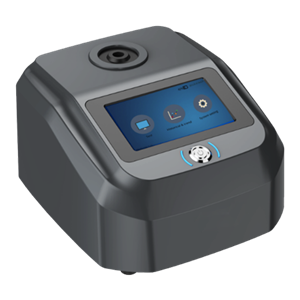
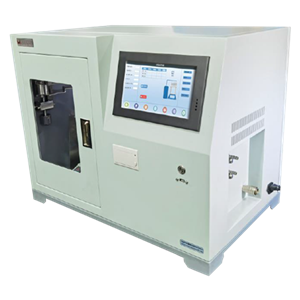
ASTM D8120 Ferrous Debris Quantification Tester
KN-8120Z Ferrous Debris Quantification Tester conforms to ASTM D8120 Standard Test Method for Ferrous Debris Quantification. By quantifying the concentration of total ferrous debris, this test method provides a direct indication of wear in the machinery by enabling the user to pinpoint when there is a deviation from the normal buildup of ferrous debris shed by the machinery or when the concentration of ferrous debris has exceeded safe operating limits.
Send Email Details -
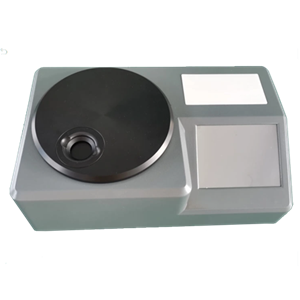
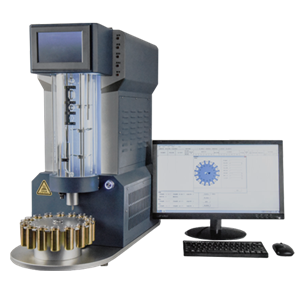
ASTM D8184 Particle Quantifier Instrument for Ferrous Wear Debris
KN-8184 Particle Quantifier Instrument for Ferrous Wear Debris conforms to ASTM D8184 Standard Test Method for Ferrous Wear Debris Monitoring in In-Service Fluids Using a Particle Quantifier Instrument. This test method is intended for the application of PQ magnetometry in assessing the progression of wear in machinery, for example, engines and gearboxes, by trending the mass of ferrous debris in samples of lubricating oils or greases.
Send Email Details -
ASTM D6421 Apparatus for Electronic Port Fuel Injector Fouling by Bench Procedure
KN-6421 Apparatus for Electronic Port Fuel Injector Fouling by Bench Procedure conforms to ASTM D6421 Standard Test Method for Evaluating Automotive Spark-Ignition Engine Fuel for Electronic Port Fuel Injector Fouling by Bench Procedure. This test method covers a bench test procedure to evaluate the tendency of automotive spark-ignition engine fuel to foul electronic port fuel injectors (PFI). The test method utilizes a bench apparatus equipped with Bosch injectors specified for use in a 1985-1987 Chrysler 2.2-L turbocharged engine. This test method is based on a test procedure developed by the Coordinating Research Council (CRC) for prediction of the tendency of spark-ignition engine fuel to form deposits in the small metering clearances of injectors in a port fuel injection engine.
Send Email Details -
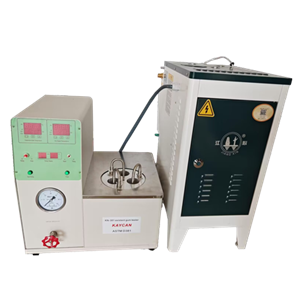
ASTM D381 Existent Gum Content Tester
KN-381 Existent Gum Content Tester (Steam Method) conforms to ASTM D381 Standard Test Method for Gum Content by Jet Evaporation. When testing either aviation or motor gasoline, a 50±0.5ml quantity of fuel is evaporated under controlled conditions of temperature and flow of air. When testing aviation turbine fuel, a 50±0.5ml quantity of fuel is evaporated under controlled conditions of temperature an flow of steam. For aviation gasoline and aviation turbine fuel, the resulting residue is weighed and reported as milligrams per 100ml. For motor gasoline, the residue is weighed before and after extracting with heptane and the results reported as milligrams per 100ml.
Send Email Details -
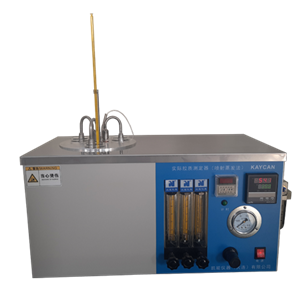
ASTM D381 Existent Gum Content Tester, Air Method
KN-381A Existent Gum Content Tester (Air Method) conforms to ASTM D381 Standard Test Method for Gum Content by Jet Evaporation. When testing motor gasoline, a 50±0.5ml quantity of fuel is evaporated under controlled conditions of temperature and flow of air. For motor gasoline, the residue is weighed before and after extracting with heptane and the results reported as milligrams per 100ml.
Send Email Details