-

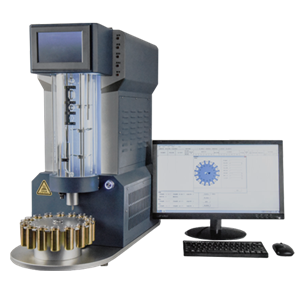
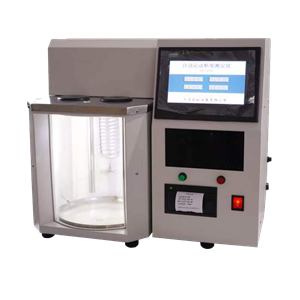
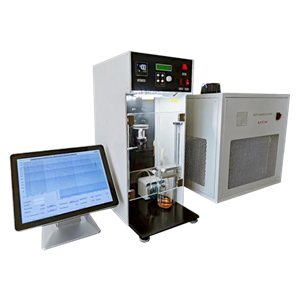
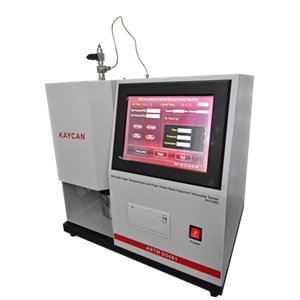
ASTM D5800 Lubricating Oil Evaporation Loss Tester (NOACK Test)
KN-5800BZ uses the automated Woods metal Noack evaporative apparatus. The evaporation loss is of particular importance in engine lubrication. Where high temperatures occur, portions of an oil can evaporate. , which is suitable for the determination of lubricating oil (especially Evaporation loss of engine oil) and lubricating base oil at 250 ℃.
Send Email Details -
Hot
ASTM D5800 Evaporation Loss Of Lubricating Oils By The Noack Method
The evaporation loss is of particular importance in engine lubrication. Where high temperatures occur, portions of an oil can evaporate. Evaporation may contribute to oil consumption in an engine and can lead to a change in the properties of an oil. Many engine manufacturers specify a maximum allowable evaporation loss. Some engine manufacturers, when specifying a maximum allowable evaporation loss, quote this test method along with the specifications.
Send Email Details -
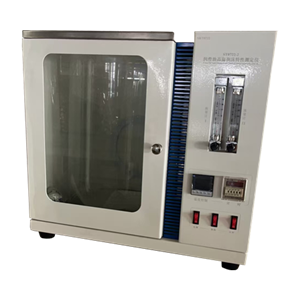
ASTM D2595 Lubricating Grease Wide Temperature Range Evaporation Loss Tester
KN-2595 Lubricating Grease Wide Temperature Range Evaporation Loss Tester conforms to ASTM D2595 Standard Test Method for Evaporation Loss of Lubricating Greases Over Wide-Temperature Range. A weighed sample of grease in an evaporation cell is placed in a heating device maintained at the desired test temperature. Heated air is passed over the grease surface for 22h±0.1h. The loss in weight of the sample due to evaporation is determined.
Send Email Details -
ASTM D3175 Apparatus for Volatile Matter of Coal and Coke
KN-3175 Apparatus for Volatile Matter of Coal and Coke conforms to the ASTM D3175 Standard Test Method for Volatile Matter in the Analysis Sample of Coal and Coke. Volatile matter, when determined as herein described, can be used to establish the rank of coals, to indicate coke yield on carbonization process, to provide the basis for purchasing and selling, or to establish burning characteristics.
Send Email Details -
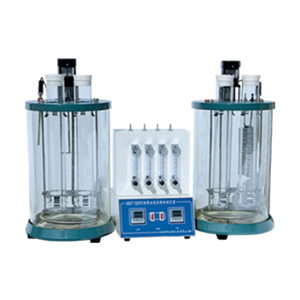
ASTM D892 Anti Foam Test for Lubricating Oil
The tendency of oils to foam can be a serious problem in systems such as high-speed gearing, high-volume pumping, and splash lubrication. Inadequate lubrication, cavitation, and overflow loss of lubricant can lead to mechanical failure. This test method is used in the evaluation of oils for such operating conditions.
Send Email Details -
ASTM D892 Foaming Characteristics Of Lubricating Oils
The tendency of oils to foam can be a serious problem in systems such as high-speed gearing, high-volume pumping, and splash lubrication. Inadequate lubrication, cavitation, and overflow loss of lubricant can lead to mechanical failure. This test method is used in the evaluation of oils for such operating conditions.
Send Email Details -
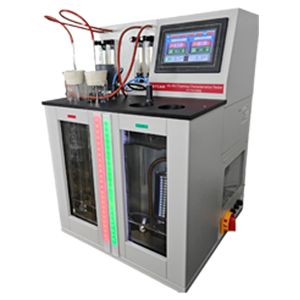
ASTM D6082 High Temperature Foaming Characteristics Of Lubricating Oils
The tendency of oils to foam at high temperature can be a serious problem in systems such as high-speed gearing, high volume pumping, and splash lubrication. Foaming can cause inadequate lubrication, cavitation, and loss of lubricant due to overflow, and these events can lead to mechanical failure
Send Email Details -
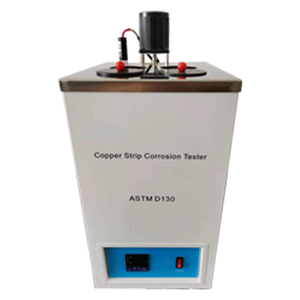
ASTM D130 Copper Strip Corrosion Tester
KN-130 Copper Strip Corrosion Tester conforms to the ASTM D130 standard the apparatus can determinate of the corrosiveness to copper of aviation gasoline, aviation turbine fuel, automotive gasoline, cleaners (Stoddard) solvent, kerosine, diesel fuel, distillate fuel oil, lubricating oil,and natural gasoline or other hydrocarbons having a vapor pressure no greater than 124 kPa (18 psi) at 37.8°C (930mmHg). It is a good laboratory special-purpose instrument in petroleum chemical industry, transportation, scientific research colleges and universities.
Send Email Details