-

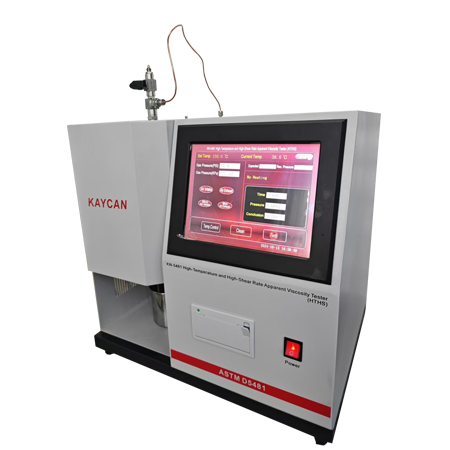
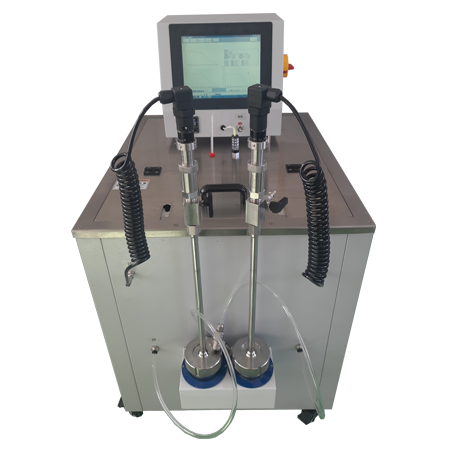
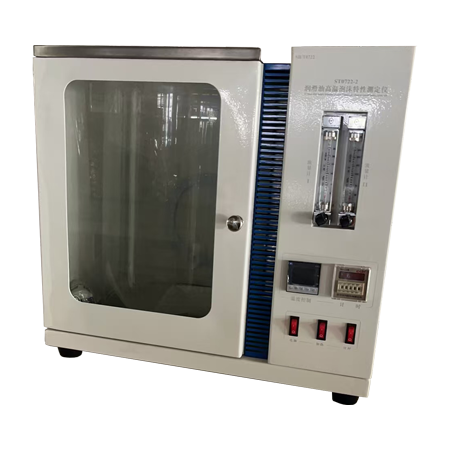
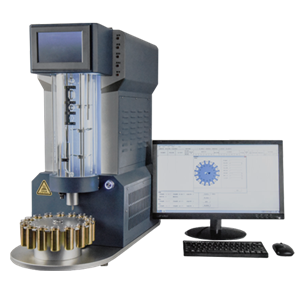
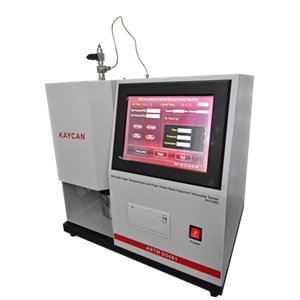
ASTM D5481 Apparent Viscosity At High Temperature And High Shear Rate By Multicell Capillary Viscometer HTHS
High-Temperature and High-Shear Rate Apparent Viscosity Tester (HTHS) covers the laboratory determination of high-temperature high-shear (HTHS) viscosity of engine oil at a temperature of 150℃ using a multicell capillary viscometer containing pressure, temperature, and timing instrumentation. The shear rate for this test method corresponds to an apparent shear rate at the wall of 1.4 million reciprocal seconds (1.4 3 106s-1).This shear rate has been found to decrease the discrepancy between this
Send Email Details -
Hot
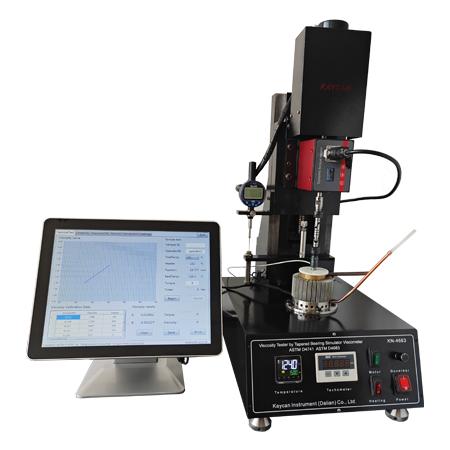
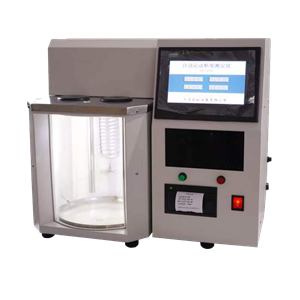
ASTM D4683 Viscosity At High Temperature And High Shear Rate By Tapered Plug Viscometer
KN-4683 Apparatus for Viscosity by TBS conforms to ASTM D4683 Standard Test Method for Measuring Viscosity of New and Used Engine Oils at High Shear Rate and High Temperature by Tapered Bearing Simulator Viscometer at 150 °C and ASTM D4741 Standard Test Method for Measuring Viscosity at High Temperature and High Shear Rate by Tapered-Plug Viscometer. The ASTM D4683 covers the laboratory determination of the viscosity of engine oils at 150℃ and 1.0·106s-1 using a viscometer having a slightly tape
Send Email Details -
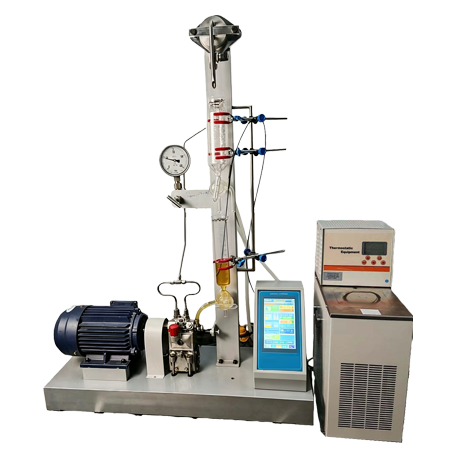
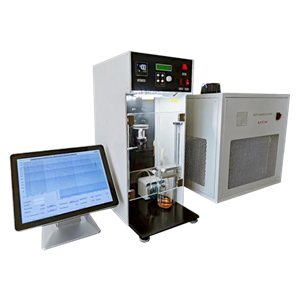
ASTM D6278 Shear Stability Of Polymer Containing Fluids
This test evaluates the percent viscosity loss for polymer-containing fluids resulting from polymer degradation in the high shear nozzle device. Thermal or oxidative effects are minimized.
Send Email Details -
Oxidation Stability Bath, RPVOT / RBOT / TFOUT
The estimate of oxidation stability is useful in controlling the continuity of this property for batch acceptance of production lots having the same operation. It is not intended that this test method be a substitute for Test Method D943 or be used to compare the service lives of new oils of different compositions.
Send Email Details -
Hot
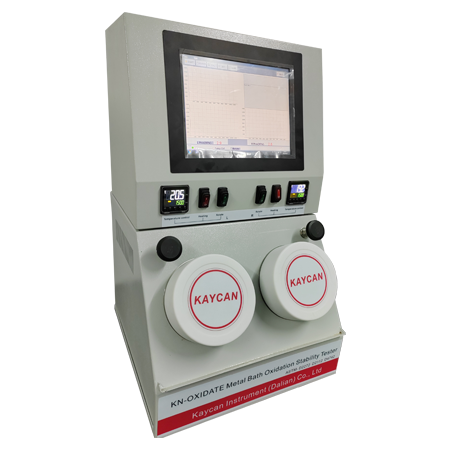
Automatic Oxidation Stability Bath, RPVOT / RBOT / TFOUT
KN-OXIDATE Metal Bath Oxidation Stability Tester conforms to ASTM D2112 Standard Test Method for Oxidation Stability of Inhibited Mineral Insulating Oil by Pressure Vessel, ASTM D2272 Standard Test Method for Oxidation Stability of Steam Turbine Oils by Rotating Pressure Vessel, ASTM D4742 Standard Test Method for Oxidation Stability of Gasoline Automotive Engine Oils by Thin-Film Oxygen Uptake (TFOUT) and ASTM D942 Standard Test Method for Oxidation Stability of Lubricating Greases by the Oxygen Pressure Vessel Method. It determines oxidation stability of new and in-service turbine oils and other industrial oils; it is field-proven non-liquid RPVOT (formerly known as RBOT) instrument in the industry used for evaluating oxidation resistance over a broad range of oils and lubricants. Widely used for base oil comparisons and as a condition monitoring tool for turbine oils.
Send Email Details -
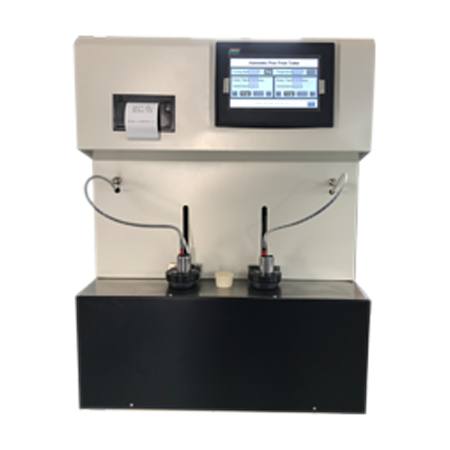
ASTM D97 Full Automatic Pour Point Tester
The pour point of a petroleum specimen is an index of the lowest temperature of its utility for certain applications. It is suitable for testing the pour point of dark oil products, crude oil and other transparent or semitransparent petroleum products.
Send Email Details -
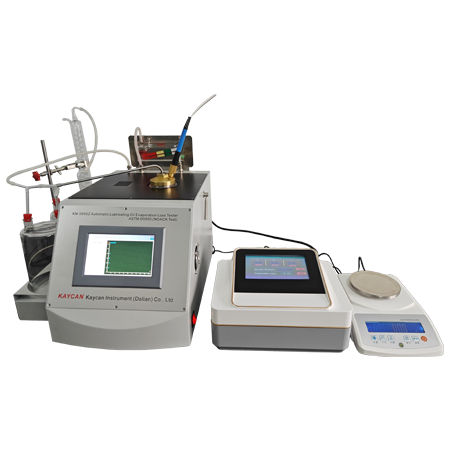
ASTM D5800 Lubricating Oil Evaporation Loss Tester (NOACK Test)
KN-5800BZ uses the automated Woods metal Noack evaporative apparatus. The evaporation loss is of particular importance in engine lubrication. Where high temperatures occur, portions of an oil can evaporate. , which is suitable for the determination of lubricating oil (especially Evaporation loss of engine oil) and lubricating base oil at 250 ℃.
Send Email Details -
Hot
ASTM D5800 Evaporation Loss Of Lubricating Oils By The Noack Method
The evaporation loss is of particular importance in engine lubrication. Where high temperatures occur, portions of an oil can evaporate. Evaporation may contribute to oil consumption in an engine and can lead to a change in the properties of an oil. Many engine manufacturers specify a maximum allowable evaporation loss. Some engine manufacturers, when specifying a maximum allowable evaporation loss, quote this test method along with the specifications.
Send Email Details -
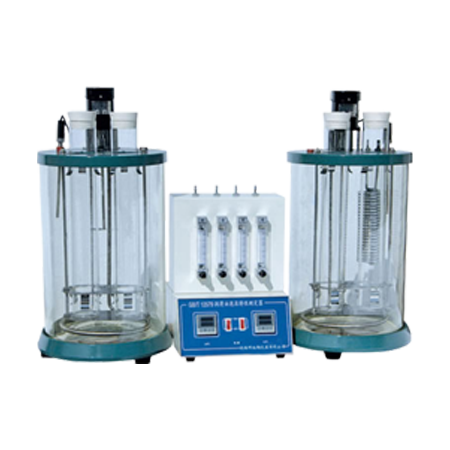
ASTM D892 Anti Foam Test for Lubricating Oil
The tendency of oils to foam can be a serious problem in systems such as high-speed gearing, high-volume pumping, and splash lubrication. Inadequate lubrication, cavitation, and overflow loss of lubricant can lead to mechanical failure. This test method is used in the evaluation of oils for such operating conditions.
Send Email Details -
ASTM D892 Foaming Characteristics Of Lubricating Oils
The tendency of oils to foam can be a serious problem in systems such as high-speed gearing, high-volume pumping, and splash lubrication. Inadequate lubrication, cavitation, and overflow loss of lubricant can lead to mechanical failure. This test method is used in the evaluation of oils for such operating conditions.
Send Email Details -
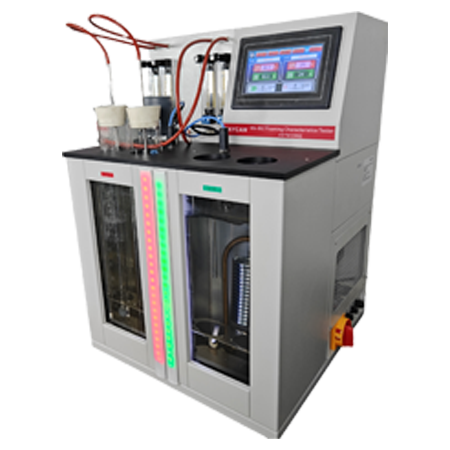
ASTM D6082 High Temperature Foaming Characteristics Of Lubricating Oils
The tendency of oils to foam at high temperature can be a serious problem in systems such as high-speed gearing, high volume pumping, and splash lubrication. Foaming can cause inadequate lubrication, cavitation, and loss of lubricant due to overflow, and these events can lead to mechanical failure
Send Email Details -
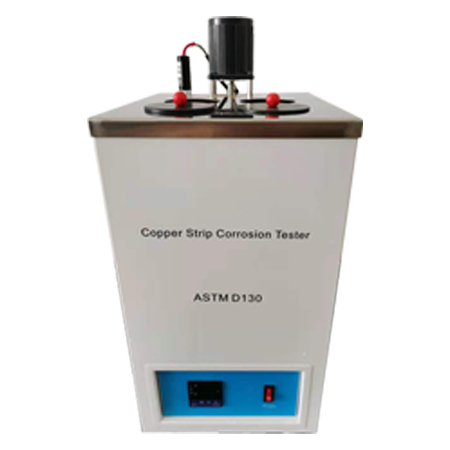
ASTM D130 Copper Strip Corrosion Tester
KN-130 Copper Strip Corrosion Tester conforms to the ASTM D130 standard the apparatus can determinate of the corrosiveness to copper of aviation gasoline, aviation turbine fuel, automotive gasoline, cleaners (Stoddard) solvent, kerosine, diesel fuel, distillate fuel oil, lubricating oil,and natural gasoline or other hydrocarbons having a vapor pressure no greater than 124 kPa (18 psi) at 37.8°C (930mmHg). It is a good laboratory special-purpose instrument in petroleum chemical industry, transportation, scientific research colleges and universities.
Send Email Details