-

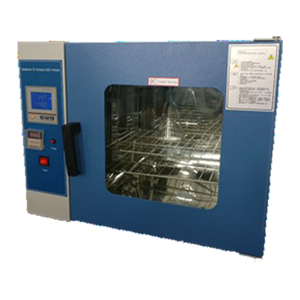
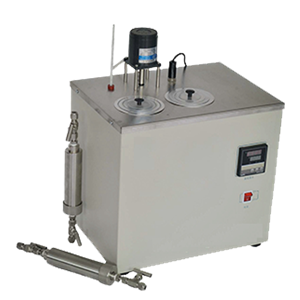
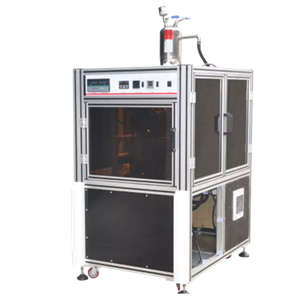
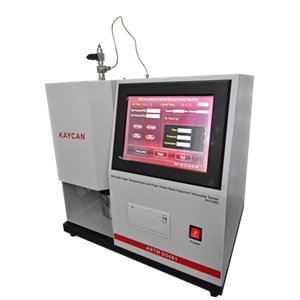
ASTM D1275 Transformer Oil Corrosive Sulfur Tester
KN-1275 Transformer Oil Corrosive Sulfur Tester conforms to ASTM D1275 Standard Test Method for Corrosive Sulfur in Electrical Insulating Oils. In most of their uses, insulating oils are continually in contact with metals that are subject to corrosion. The presence of corrosive sulfur compounds will result in deterioration of these metals. The extent of deterioration is dependent upon the quantity and type of corrosive agent and time and temperature factors. Detection of these undesirable impurities, even though not in terms of quantitative values, is a means for recognizing the hazard involved.
Send Email Details -
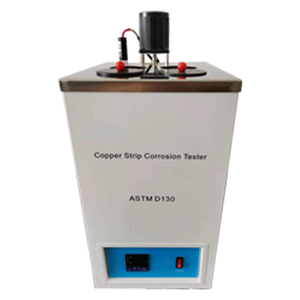
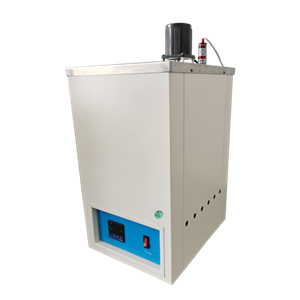
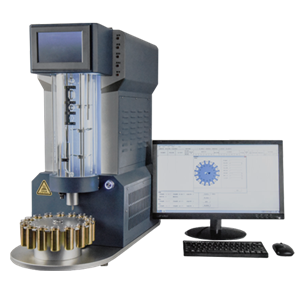
ASTM D130 Copper Strip Corrosion Tester
KN-130 Copper Strip Corrosion Tester conforms to the ASTM D130 standard the apparatus can determinate of the corrosiveness to copper of aviation gasoline, aviation turbine fuel, automotive gasoline, cleaners (Stoddard) solvent, kerosine, diesel fuel, distillate fuel oil, lubricating oil,and natural gasoline or other hydrocarbons having a vapor pressure no greater than 124 kPa (18 psi) at 37.8°C (930mmHg). It is a good laboratory special-purpose instrument in petroleum chemical industry, transportation, scientific research colleges and universities.
Send Email Details -
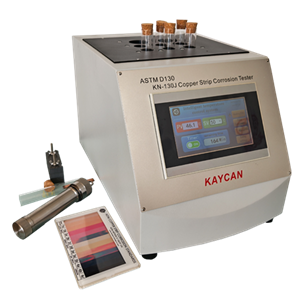
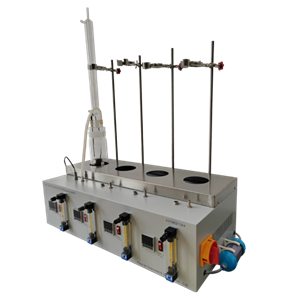
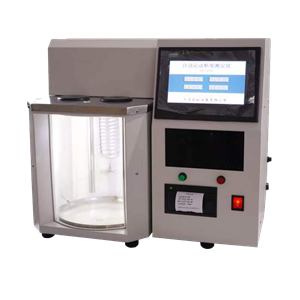
ASTM D130 Metal Bath Copper Strip Corrosion Tester
KN-130J Metal Bath Copper Strip Corrosion Tester conforms to the ASTM D130 Standard Test Method for Corrosiveness to Copper from Petroleum Products by Copper Strip Test and ASTM D4048 Standard Test Method for Detection of Copper Corrosion from Lubricating Grease. This tester is suitable for testing aviation gasoline, jet fuel, motor gasoline, natural gasoline, or other hydrocarbons with Reid vapor pressure not exceeding 124kPa (930mmHg), solvent oil, kerosene, diesel, distillate fuel oil, lubricating oil, grease, and other petroleum product.
Send Email Details -
ASTM D4048 Copper Corrosion From Lubricating Grease
A prepared copper strip is totally immersed in a sample of grease and heated in an oven or liquid bath at a specified temperature for a definite period of time. Commonly used conditions are 100 6 1°C (212 6 2°F) for 24 h 6 5 min. At the end of this heating period, the strip is removed, washed, and compared with the Copper Strip Corrosion Standard.
Send Email Details -
ASTM D1838 Copper Strip Corrosion By Liquefied Petroleum (LP) Gases
Copper corrosion limits provide assurance that difficulties will not be experienced in deterioration of the copper and copper-alloy fittings and connections that are commonly used in many types of utilization, storage, and transportation equipment.
Send Email Details -
ASTM D1384 Corrosion Test For Engine Coolants In Glassware
this test method will generally distinguish between coolants that are definitely deleterious from the corrosion standpoint and those that are suitable for further evaluation.however, the results of this test method cannot stand alone as evidence of satisfactory corrosion inhibition. the sctual serivice value of an engine coolant formulation can be determined only by more comprehensive bench,hynamometer,and field tests
Send Email Details -
ASTM D4340 Corrosion Of Cast Aluminum Alloys In Engine Coolants
It is essential that engine coolants prevent heat-transfer corrosion of aluminum cylinder heads during engine operation. Any corrosion products formed may deposit on interior radiator surfaces, reducing heat-transfer efficiency of the radiator. Overheating and boil-over of the cooling system may then occur
Send Email Details -
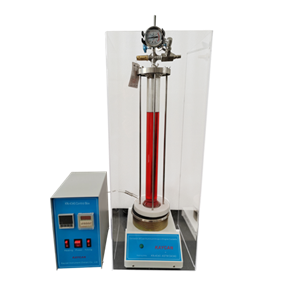
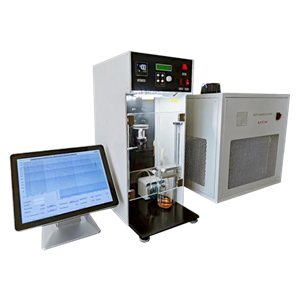
ASTM D2809 Apparatus for Cavitation Corrosion and Erosion-Corrosion Characteristics
KN-2809 Apparatus for Cavitation Corrosion and Erosion-Corrosion Characteristics conforms to ASTM D2809 Standard Test Method for Cavitation Corrosion and Erosion-Corrosion Characteristics of Aluminum Pumps with Engine Coolants. This test method can be used to distinguish between coolants that contribute to cavitation corrosion and erosion-corrosion of aluminum automotive water pumps and those that do not. It is not intended that a particular rating number, as determined from this test, will be equivalent to a certain number of miles in a vehicle test; however, limited correlation between bench and field service tests has been observed with single-phase coolants. Field tests under severe operating conditions should be conducted as the final test if the actual effect of the coolant on cavitation corrosion and erosion-corrosion is to be appraised. It is also possible, with proper control of the test variables, to determine the effect of pump design, materials of construction, and pump operating conditions on cavitation corrosion and erosion-corrosion damage.
Send Email Details